
What to Check During a Used Car Test Drive
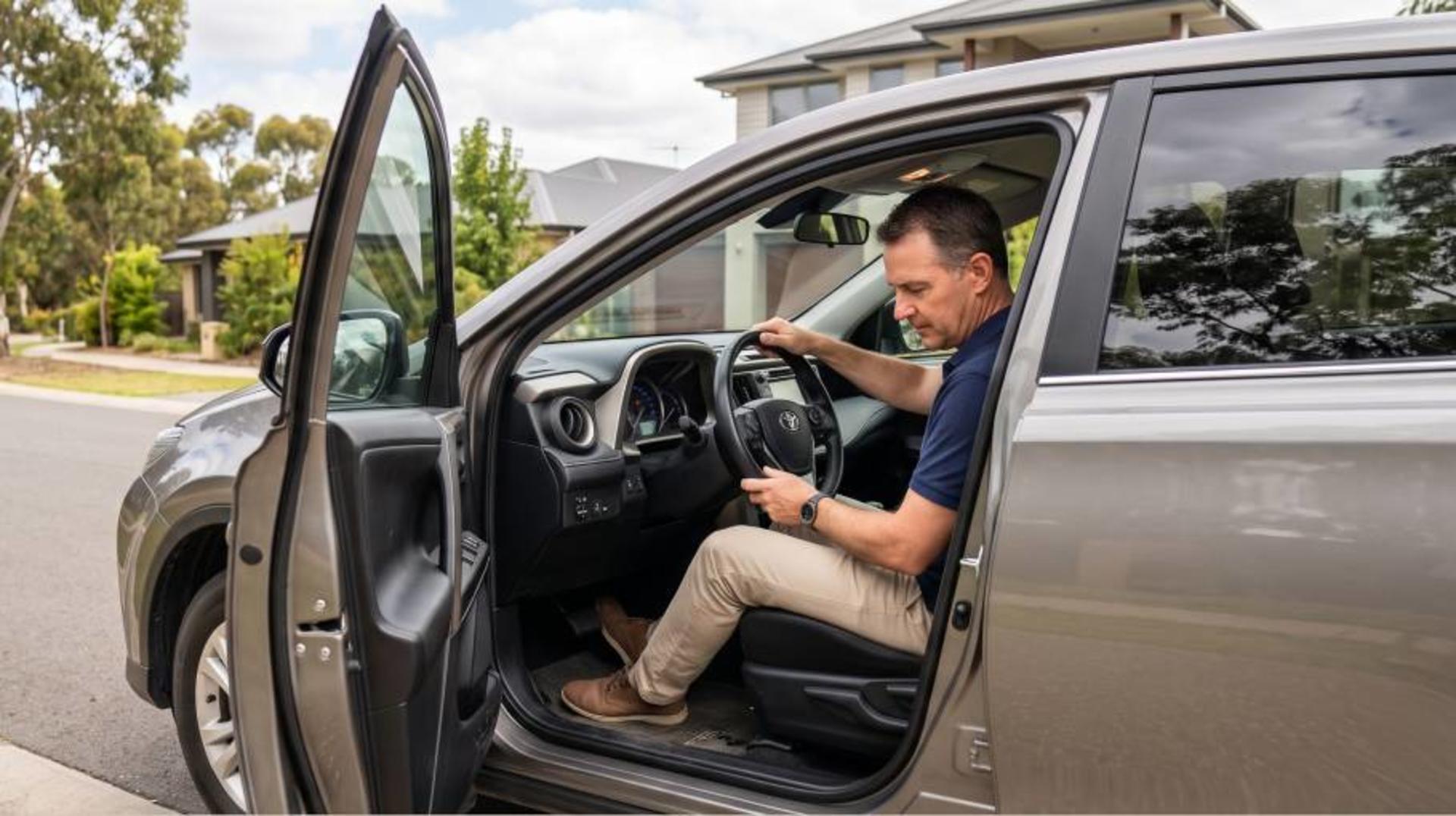
A used car can look perfect in photos and even appear well maintained when parked, but the real test begins once you're behind the wheel.
A proper test drive gives you the opportunity to assess how the vehicle performs, identify potential mechanical issues and decide whether it's the right fit for your lifestyle. It's also one of the best ways to avoid costly surprises after you've purchased the car.
Knowing what to look, listen and feel for can help you make a more confident buying decision.
Start with a Walk Around
Before you even get into the driver's seat, inspect the vehicle carefully.
Check for:
- Uneven paintwork
- Rust
- Dents or scratches
- Cracked lights
- Tyre condition
- Fluid leaks under the vehicle
These signs don't always indicate major issues, but they may suggest the car needs further inspection.
Start the Engine from Cold
If possible, ask the seller not to warm up the car before you arrive. A cold start can reveal issues that may not be obvious once the engine is warm.
Watch for:
- Difficulty starting
- Excessive smoke from the exhaust
- Warning lights staying on
- Unusual engine noises
- Rough idling
The engine should start smoothly and idle consistently.
Listen While Driving
Turn off the radio and drive with the windows up and down during different parts of the test drive.
Listen for:
- Knocking sounds
- Rattles
- Squeaks
- Whining noises
- Suspension clunks
Unexpected noises may indicate worn components or future repair costs.
Test the Brakes
Braking should feel smooth and controlled.
Pay attention to whether:
- The vehicle pulls to one side
- The brake pedal feels soft
- The steering wheel vibrates
- You hear grinding or squealing
If anything feels unusual, have the vehicle inspected by an independent mechanic.
"If something doesn't feel right during the test drive, don't ignore it."
Check the Steering
The steering should feel responsive without excessive vibration.
Notice whether:
- The vehicle tracks straight
- Steering feels heavy or loose
- There are unusual vibrations
- The steering wheel sits straight while driving
Poor steering performance could indicate alignment or suspension issues.
Drive at Different Speeds
Try to test the vehicle in different conditions where it's safe to do so.
Include:
- Residential streets
- Main roads
- Higher-speed roads
- Stop-start traffic
- Parking manoeuvres
This gives you a better understanding of how the vehicle performs in everyday driving.
Test Every Feature
Don't focus only on how the vehicle drives.
Check that important features work correctly, including:
- Air conditioning
- Heating
- Windows
- Mirrors
- Infotainment system
- Reverse camera
- Parking sensors
- Bluetooth
- Cruise control
- Lights
- Windscreen wipers
Small faults may not stop you buying the car, but they're useful to know before negotiating.
Check Comfort and Practicality
Think beyond the mechanics.
Ask yourself:
- Is the seating comfortable?
- Can you easily adjust the driving position?
- Is there enough boot space?
- Will child seats fit if needed?
- Is visibility good?
Our blog Buying Your First Family SUV: What to Consider offers additional advice if you're shopping for a larger family vehicle.
Arrange an Independent Inspection
Even if the test drive goes well, it's still worth organising an independent mechanical inspection. A qualified mechanic may identify issues that aren't obvious during a short drive, including:
- Oil leaks
- Engine wear
- Previous accident repairs
- Suspension problems
- Cooling system faults
An inspection provides additional confidence before making your purchase.
Found a used car you'd like to inspect? Apply for car loan pre-approval through Pink Loans before you start shopping so you'll know your budget and be ready when you find the right vehicle.
FAQs
How long should a used car test drive be?
Aim for at least 20 to 30 minutes if possible. Driving in different conditions gives you a better understanding of how the vehicle performs.
Should I test drive a used car on the highway?
Yes, if it's safe and practical. Driving at higher speeds can reveal issues that aren't noticeable in suburban traffic.
Is a test drive enough before buying a used car?
No. A test drive should be combined with a PPSR check, a review of the vehicle's service history and an independent mechanical inspection.
Can I negotiate after a test drive?
Yes. If you identify minor issues during the test drive or inspection, you may be able to negotiate the purchase price or request repairs before completing the sale.
