
What Is a Credit Report? Everything You Need to Know
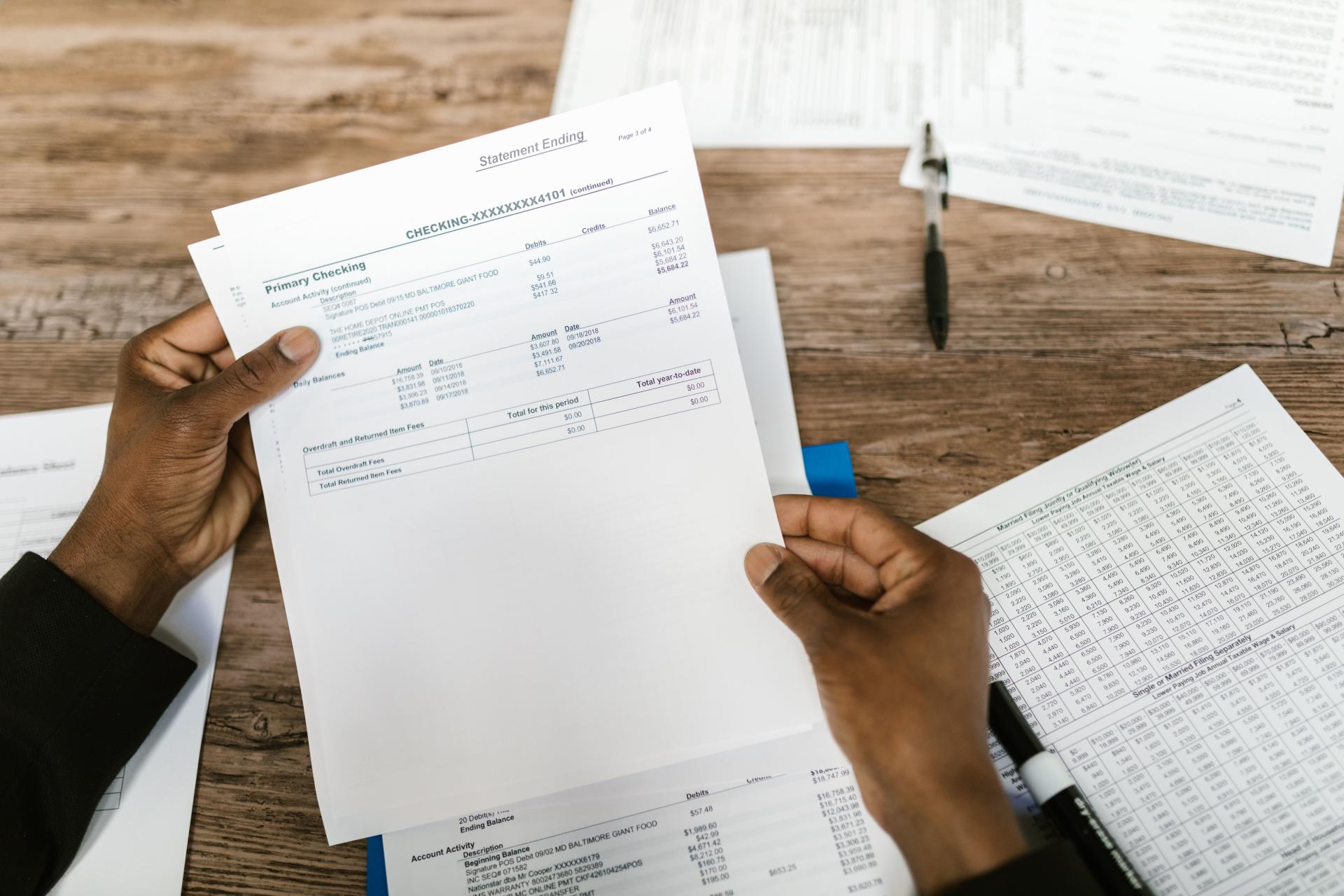
Before applying for a loan, it's worth understanding one document that can significantly influence a lender's decision: your credit report.
Many people confuse a credit report with a credit score, but they're not the same. Your credit report contains detailed information about your credit history, while your credit score is a numerical summary based on that information.
Knowing what's included in your credit report can help you identify errors, improve your financial profile and prepare for your next loan application.
What Is a Credit Report?
A credit report is a document compiled by a credit reporting body that contains information about your credit history and borrowing behaviour.
Lenders use your credit report to help assess how you've managed credit in the past and whether you may be able to manage new repayments.
Your report is only one part of the assessment. Lenders also consider your income, expenses, employment and overall financial situation.
What Information Is Included in a Credit Report?
Your credit report may include information such as:
- Your personal details
- Current and previous credit accounts
- Credit enquiries
- Repayment history
- Defaults
- Court judgments or bankruptcies
- Financial hardship information
- Serious credit infringements, where applicable
Not every report contains all of this information. The details depend on your individual financial history.
What's the Difference Between a Credit Report and a Credit Score?
Although they're closely related, they're different.
A credit report is the detailed record of your credit history. A credit score is a number calculated using the information in your credit report to indicate your level of credit risk.
If you'd like to understand how lenders use this information, read our guide on what credit
"Your credit score is one part of the story. Your credit report provides the detail behind it."
Why Is Your Credit Report Important?
Your credit report helps lenders better understand your financial history.
They may use it to assess:
- How you've managed previous loans
- Whether you've made repayments on time
- Your existing credit commitments
- Your borrowing behaviour
However, lenders don't rely solely on your credit report.
They also review your income, employment and living expenses when deciding whether you can comfortably afford a new loan.
Understanding what lenders look for in bank statements can help you see the bigger picture of how loan applications are assessed.
How Can You Check Your Credit Report?
In Australia, you can request a copy of your credit report from a credit reporting body.
Checking your own credit report doesn't negatively affect your credit score, making it a good habit before applying for finance.
Reviewing your report allows you to:
- Confirm your personal details are correct
- Check for inaccurate information
- Identify unfamiliar credit enquiries
- Understand what lenders may see
Regularly checking your credit report can also help protect you against identity fraud.
What Should You Do if You Find an Error?
Mistakes can happen.
If you notice incorrect information on your credit report, contact the relevant credit reporting body or credit provider as soon as possible.
Having inaccurate information corrected before applying for a loan may improve your borrowing experience and prevent unnecessary complications during the assessment process.
Does a Credit Report Guarantee Loan Approval?
No. A good credit report can strengthen your application, but lenders also assess your:
- Income
- Employment
- Living expenses
- Existing debts
- Ability to comfortably repay the loan
Every lender has different lending criteria, so approval is based on your overall financial circumstances rather than your credit report alone.
FAQs
What is a credit report?
A credit report is a record of your borrowing history, including information about your loans, credit enquiries, repayment history and other credit-related activities.
Is a credit report the same as a credit score?
No. A credit report contains detailed information about your borrowing history, while a credit score is a numerical rating based on that information.
Can checking my own credit report affect my credit score?
No. Requesting your own credit report is generally considered a soft enquiry and does not affect your credit score.
How often should I check my credit report?
It's a good idea to check your credit report before applying for a loan and periodically throughout the year to ensure the information remains accurate.
Can I remove information from my credit report?
Accurate information generally cannot be removed before the required reporting period ends. However, incorrect information should be disputed with the credit reporting body or credit provider.
