
The True Cost of Owning a Car in Australia
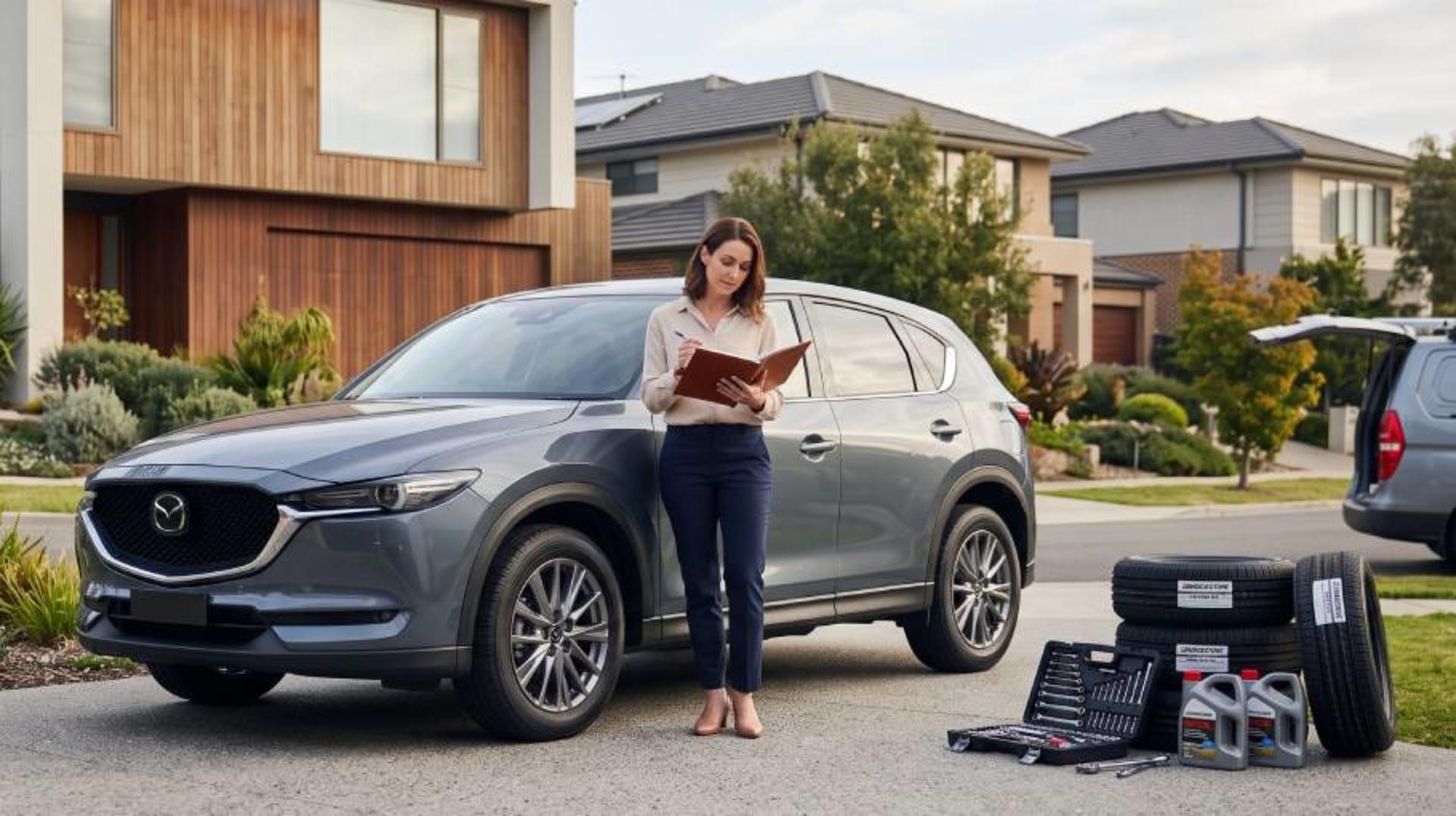
Buying a car is an exciting milestone, but the purchase price is only one part of the overall cost. Whether you're buying your first vehicle or upgrading to something bigger, it's important to understand the ongoing expenses that come with car ownership.
Many buyers focus on monthly loan repayments without considering costs such as insurance, fuel, servicing and registration. Planning for these expenses before you buy can help you choose a vehicle that fits comfortably within your budget and avoid financial surprises later.
The Purchase Price Is Just the Beginning
The purchase price determines how much you'll need to borrow, but it's only the first expense you'll encounter.
Before choosing a vehicle, consider the total cost of ownership over several years rather than focusing solely on the sale price.
A vehicle with a lower purchase price may end up costing more if it has higher fuel consumption, expensive servicing or costly insurance.
Loan Repayments
If you're financing your vehicle, your monthly repayments will likely be one of your largest ongoing expenses.
Repayments will depend on factors such as:
- Loan amount
- Interest rate
- Loan term
- Deposit or trade-in value
Choosing a loan that fits comfortably within your budget is just as important as choosing the right vehicle.
If you're planning to finance your purchase, our blog How Car Loan Pre-Approval Can Help You Negotiate a Better Deal explains why organising your finance before shopping can be beneficial.
Registration and Insurance
Every vehicle owner should budget for annual registration costs.
You'll also need insurance, which may include:
- Compulsory Third Party (CTP) insurance (where applicable)
- Third Party Property insurance
- Third Party Fire and Theft insurance
- Comprehensive car insurance
Insurance premiums vary depending on:
- Your age
- Driving history
- Location
- Vehicle type
- How the vehicle is used
Comparing insurance providers before purchasing your vehicle can help reduce your ongoing costs.
"Buying the car is only the beginning, owning it is the long-term commitment."
Fuel or Charging Costs
Fuel is another major expense for many households.
Your running costs will depend on:
- How often you drive
- Fuel efficiency
- Fuel prices
- Whether you drive mostly in the city or on highways
If you're considering a hybrid or electric vehicle, your charging costs may differ significantly from traditional petrol or diesel vehicles.
Servicing and Maintenance
Regular servicing helps keep your vehicle reliable and may also protect its warranty.
Ongoing maintenance may include:
- Scheduled servicing
- Tyres
- Brake pads
- Batteries
- Windscreen wipers
- Engine oil
- Unexpected repairs
Before buying a vehicle, research typical servicing costs for that make and model.
Depreciation
Depreciation refers to the reduction in a vehicle's value over time.
Most vehicles lose value as they age, although depreciation rates vary depending on:
- Brand
- Model
- Age
- Kilometres
- Market demand
- Vehicle condition
Buying a quality used or demonstrator vehicle may reduce the impact of early depreciation.
Learn more in Demonstrator Cars Explained: Are They Worth Buying?
Parking and Tolls
Depending on where you live and work, you may also need to budget for:
- Parking fees
- Toll roads
- Car washes
- Roadside assistance memberships
While these costs may seem small individually, they can add up over the course of a year.
Don't Forget Family Expenses
If you're upgrading to a larger family vehicle, your ongoing costs may increase.
For example:
- Larger tyres often cost more.
- Bigger vehicles may use more fuel.
- Insurance premiums may differ.
- Registration costs for 7-seater vehicles can also be higher.
- Servicing costs can vary between models.
If you're choosing your next family vehicle, read Buying Your First Family SUV: What to Consider.
Create a Realistic Budget
Before buying your next vehicle, estimate your total monthly ownership costs.
Include:
- Loan repayments
- Fuel
- Insurance
- Registration
- Servicing
- Maintenance
- Parking
- Emergency repairs
To get a better understanding of what your repayments could look like, use the Pink Loans Car Loan Calculator before you start shopping. It's a simple way to estimate your repayments and see how different loan amounts, terms and interest rates may affect your budget.
Ready to buy your next car? Apply for car loan pre-approval through Pink Loans so you can understand your budget before you start shopping and choose a vehicle that suits your finances.
FAQs
What is the biggest ongoing cost of owning a car?
For many Australians, the largest ongoing expenses include loan repayments, fuel, insurance and servicing. The exact costs will depend on the type of vehicle you own and how often you drive.
How much should I budget for car maintenance?
Maintenance costs vary depending on the vehicle's age, make and model. It's a good idea to budget for scheduled servicing as well as unexpected repairs throughout the year.
Are used cars cheaper to own?
Used cars often have a lower purchase price and may depreciate more slowly than new vehicles. However, maintenance costs may be higher depending on the vehicle's condition and age.
Should I organise finance before buying a car?
Many buyers choose to arrange pre-approval before shopping because it helps them understand their borrowing capacity and stay within their budget.
