
Hybrid vs Electric Cars 2026: Which Should You Choose?
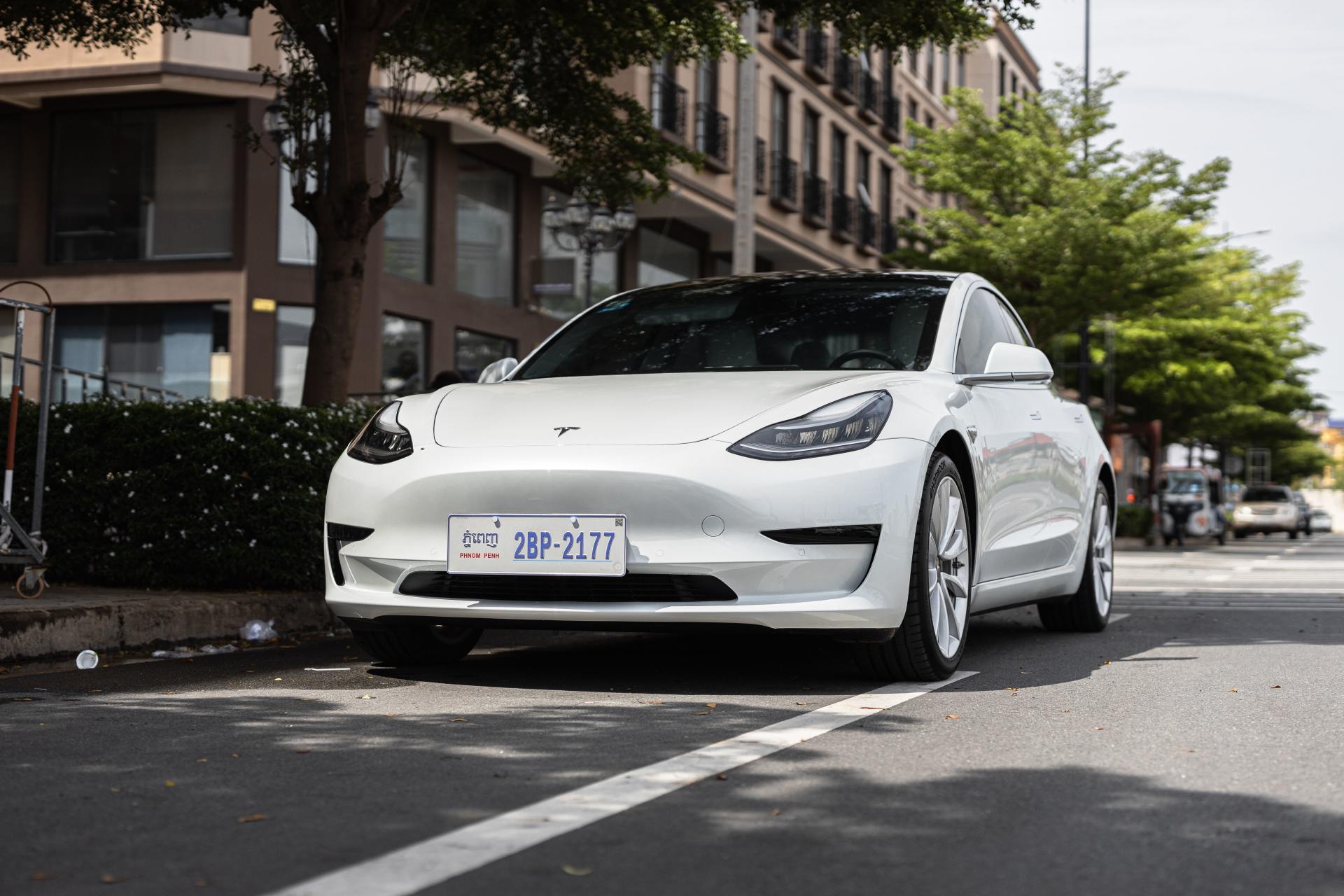
With fuel prices, environmental concerns, and new vehicle technology continuing to evolve, more Australians are considering hybrid and electric cars than ever before. But with so many models entering the market, deciding which one is right for you isn't always straightforward.
The best choice depends on how you drive, where you live, your budget, and how you plan to use your vehicle. While both options can reduce fuel costs and emissions, they offer different ownership experiences.
Before purchasing your next vehicle, it's worth understanding how hybrid and electric cars compare so you can choose the one that best suits your lifestyle and finances.
What's the Difference Between Hybrid and Electric Cars?
The main difference is how they're powered.
Hybrid Cars
Hybrid vehicles use both a petrol engine and an electric motor. Depending on the model, the battery is either recharged while driving or plugged into a charger in the case of a plug-in hybrid (PHEV).
Benefits include:
- Lower fuel consumption than traditional petrol vehicles
- No reliance on public charging for standard hybrids
- Greater driving range
- Easier transition from conventional vehicles
Electric Cars (EVs)
Electric vehicles are powered entirely by rechargeable batteries and produce no tailpipe emissions.
Benefits include:
- No petrol or diesel required
- Lower servicing requirements due to fewer moving parts
- Quiet driving experience
- Lower running costs for many drivers
Hybrid vs Electric Cars: A Comparison
| Feature | Hybrid | Electric |
| Power source | Petrol + electric motor | Battery only |
| Fuel required | Yes | No |
| Charging | Usually not required (except PHEVs) | Required |
| Driving range | Generally longer | Depends on battery size |
| Running costs | Lower than petrol | Often the lowest |
| Tailpipe emissions | Reduced | Zero |
Running Costs
One of the biggest reasons Australians are switching to hybrid or electric vehicles is the potential to reduce everyday running costs.
Hybrid Vehicles
Hybrids generally consume less fuel than traditional petrol cars, especially during city driving where the electric motor can do more of the work.
However, you'll still need to purchase fuel regularly.
Electric Vehicles
EV owners avoid petrol costs entirely. If you primarily charge at home, your electricity costs may be significantly lower than fuel expenses, depending on your electricity plan and driving habits.
Maintenance costs may also be lower because electric vehicles have fewer mechanical components that require servicing.
Charging and Convenience
Charging is one of the biggest considerations when choosing an EV.
If you have access to home charging, owning an electric vehicle is often very convenient.
However, drivers who:
- Travel long regional distances
- Live in apartments without dedicated parking
- Frequently driving in remote areas may find a hybrid more practical.
Australia's public charging network continues to expand, but charging availability varies between locations.
Which Vehicle Is Better for Long-Distance Driving?
For frequent long-distance travel, hybrids often provide greater flexibility.
You can refuel at any service station and continue driving without waiting for the battery to recharge.
Electric vehicles continue to improve in range, with many newer models capable of travelling several hundred kilometres on a full charge. However, planning longer trips may still involve locating charging stations along your route.
Purchase Price
Historically, electric vehicles have had higher upfront purchase prices than comparable petrol or hybrid models. While prices continue to become more competitive, hybrids often remain the more affordable option for many buyers.
It's important to consider the total cost of ownership rather than focusing solely on the purchase price. Lower fuel and maintenance costs may offset a higher initial investment over time.
Financing a Hybrid or Electric Vehicle
Whether you choose a hybrid or an electric vehicle, financing works much like any other car loan.
Lenders typically assess:
- Your income
- Employment
- Credit history
- Living expenses
- Existing financial commitments
- The vehicle being purchased
Before applying, using a repayment calculator can help you understand how different loan amounts and terms may affect your budget.
If you're planning to finance your next vehicle, try the Pink Loans Loan Calculators to estimate repayments and compare different borrowing scenarios before applying.
Which Should You Choose?
There isn't a one-size-fits-all answer.
A hybrid may suit you if you:
- Frequently drive long distances
- Don't have easy access to charging
- Want lower fuel consumption without changing your driving habits
An electric vehicle may suit you if you:
- Mainly drive locally
- Have reliable charging at home or work
- Want to eliminate fuel costs
- Prefer lower maintenance requirements
The right decision depends on your daily driving patterns, budget, and future plans.
"The smartest financial decision is choosing a vehicle that works for your life today and your budget tomorrow."
Conclusion
When comparing Hybrid vs Electric Cars in 2026, both options offer significant advantages over traditional petrol vehicles.
Hybrids provide flexibility and familiar refuelling, while electric vehicles offer lower running costs and zero tailpipe emissions for drivers with access to charging.
Before making your purchase, consider how far you drive, where you'll charge, your long-term ownership costs, and how you'll finance your vehicle. Taking the time to compare your options can help ensure your next car is one you'll enjoy for years to come.
Ready to take the next step? Apply for a car loan pre-approval with Pink Loans to understand your borrowing power before you start shopping. Knowing your budget upfront can make it easier to choose the right hybrid or electric vehicle with confidence.
FAQs
Are hybrid cars cheaper to run than petrol cars?
Generally, yes. Hybrid vehicles typically use less fuel, particularly during city driving, which can reduce ongoing fuel costs.
Are electric cars more expensive to buy?
Many electric vehicles still have higher upfront purchase prices, although prices continue to become more competitive as more models enter the Australian market.
Which is better for long-distance driving?
Hybrids are often more convenient for frequent long-distance travel because they can be refuelled quickly at petrol stations without relying on charging infrastructure.
Can I finance a hybrid or electric vehicle?
Yes. Both hybrid and electric vehicles can usually be financed through a car loan, subject to lender approval and eligibility criteria.
How can I estimate my repayments?
Using a car loan calculator allows you to compare different loan amounts, terms, and repayment options before applying.
