
Equipment Finance Explained: How It Works for Australian Businesses
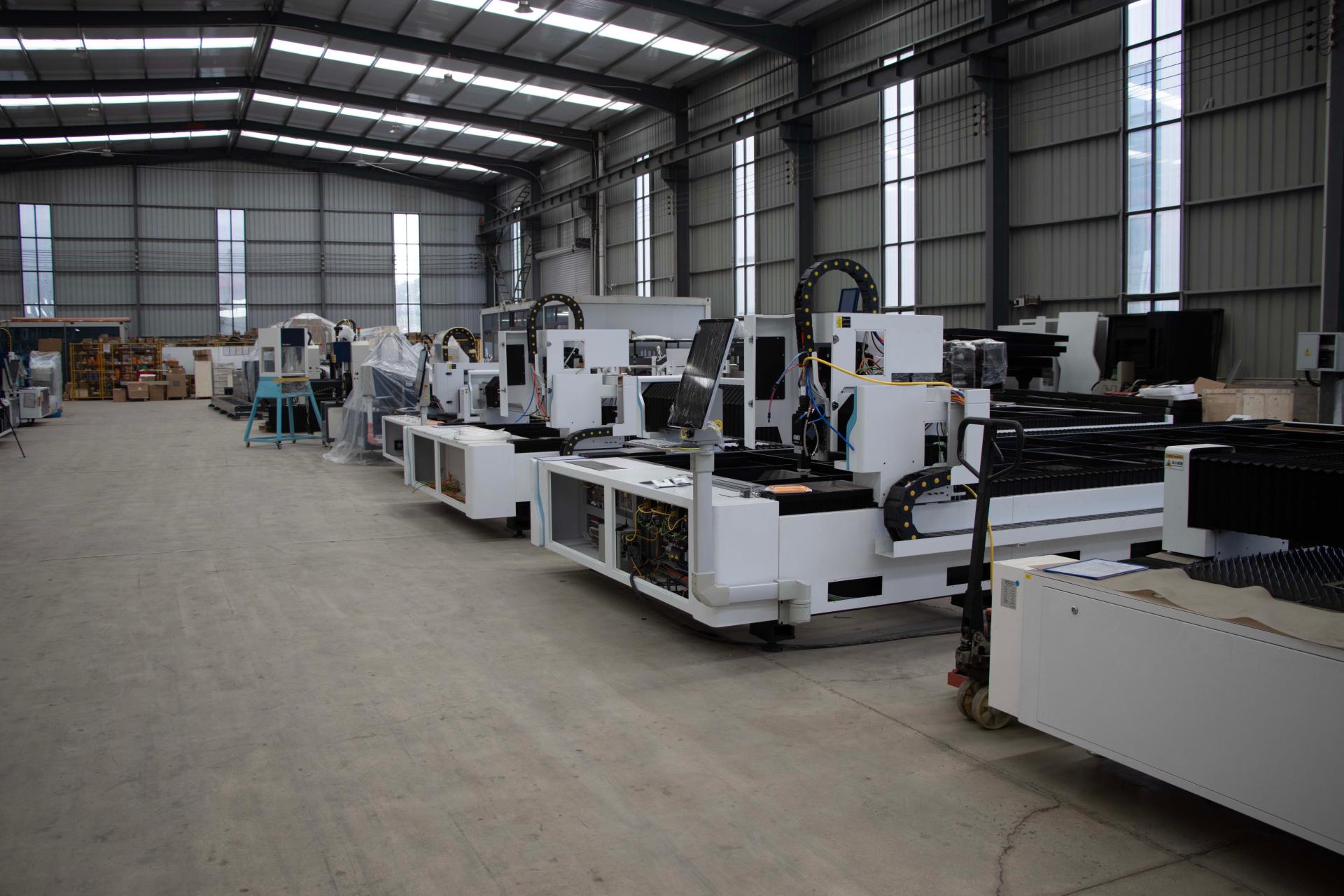
Running a business often requires investing in expensive equipment, whether it's construction machinery, medical devices, commercial vehicles or office technology. Paying for these purchases outright isn't always practical, particularly for growing businesses that need to manage their cash flow carefully.
Equipment finance allows businesses to spread the cost of eligible assets over time instead of making one large upfront payment. Depending on your business goals and the type of equipment you're purchasing, there are several finance options available.
Understanding how equipment finance works can help you choose the right solution for your business while keeping your finances on track.
What Is Equipment Finance?
Equipment finance is a type of business lending used to purchase or refinance business assets.
Rather than paying the full purchase price upfront, a lender provides funding for the equipment, and your business repays the loan through regular instalments over an agreed period.
Equipment finance can help businesses acquire the assets they need while preserving working capital for day-to-day operations.
Common assets financed include:
- Construction equipment
- Manufacturing machinery
- Commercial vehicles
- Medical equipment
- Agricultural machinery
- IT equipment
- Office furniture
- Hospitality equipment
How Does Equipment Finance Work?
Although finance structures vary, the process generally follows these steps:
- Choose the equipment your business requires.
- Apply for finance with a lender.
- The lender assesses your business and financial circumstances.
- If approved, the lender funds the purchase.
- Your business repays the finance through regular repayments.
Depending on the finance product, your business may own the equipment immediately or at the end of the finance term.
What Are the Benefits of Equipment Finance?
Many businesses choose equipment finance because it provides greater financial flexibility.
Some of the key advantages include:
Preserve Cash Flow
Instead of making a significant upfront purchase, repayments are spread over time, helping preserve cash for operating expenses and future growth.
Access Better Equipment
Financing may allow your business to purchase newer or more advanced equipment that could improve productivity and efficiency.
Predictable Budgeting
Many equipment finance products offer fixed repayments, making it easier to budget for business expenses.
Business Growth
Access to modern equipment may help your business expand its services, improve productivity or take on additional work.
"The right equipment can help grow your business, but the right finance can help you afford it."
What Can Be Financed?
Equipment finance can be used for a wide variety of business assets.
Examples include:
- Excavators
- Trucks and utes
- Forklifts
- Coffee machines
- Dental equipment
- Medical imaging equipment
- Commercial kitchen equipment
- Computers and servers
- Printing equipment
Eligibility depends on the lender and the type of asset being financed.
What Do Lenders Consider?
Before approving equipment finance, lenders generally assess:
- Business income
- Cash flow
- Time in business
- Credit history
- Existing financial commitments
- The type and value of the equipment
If you're self-employed, our guide on How to Get a Car Loan with an ABN in Australia provides useful information about preparing financial documentation, many of which are also relevant when applying for business finance.
Lenders may also review what they look for in bank statements to better understand your business's financial position.
Equipment Finance vs Business Loan
Although both options can help fund business purchases, they're designed for different purposes.
| Equipment Finance | Business Loan |
| Used to purchase specific business assets | Can be used for a wider range of business expenses |
| Often linked to the asset being purchased | Greater flexibility in how funds are used |
| Repayments are based on the financed equipment | Funds may be used for working capital, expansion or other business needs |
Choosing the right option depends on your business objectives and the type of purchase you're making.
Is Equipment Finance Right for Your Business?
Equipment finance may be worth considering if your business needs to:
- Upgrade ageing equipment
- Purchase new machinery
- Improve productivity
- Preserve working capital
- Spread large business expenses over time
Before applying, compare finance options, understand the total borrowing costs and choose repayments that fit comfortably within your business budget.
For businesses purchasing vehicles, our guide on How to Get a Car Loan for Your Business explains another finance option that may suit your needs.
Conclusion
Equipment finance can help businesses invest in the tools, machinery and technology they need without placing unnecessary pressure on cash flow.
Whether you're purchasing your first piece of commercial equipment or upgrading existing assets, choosing the right finance solution can support your business's long-term growth.
If you're considering equipment finance, the team at Pink Loans can help you compare lending options and find a solution tailored to your business goals.
FAQs
What is equipment finance?
Equipment finance is a type of business finance that helps businesses purchase eligible equipment by spreading the cost over regular repayments instead of paying the full amount upfront.
What types of equipment can be financed?
Many lenders finance machinery, commercial vehicles, medical equipment, agricultural equipment, office technology, hospitality equipment and other business assets.
Do I need a deposit for equipment finance?
Some lenders may require a deposit, while others offer finance with little or no upfront contribution. Requirements vary depending on the lender and the asset.
Can new businesses apply for equipment finance?
Some lenders provide equipment finance to newer businesses, although eligibility depends on factors such as cash flow, business history and financial position.
Is equipment finance tax deductible?
Tax treatment depends on your business structure and circumstances. Speak with your accountant or registered tax adviser for advice specific to your business.
